
How an Extra $100 Can Push You Towards Financial Stability

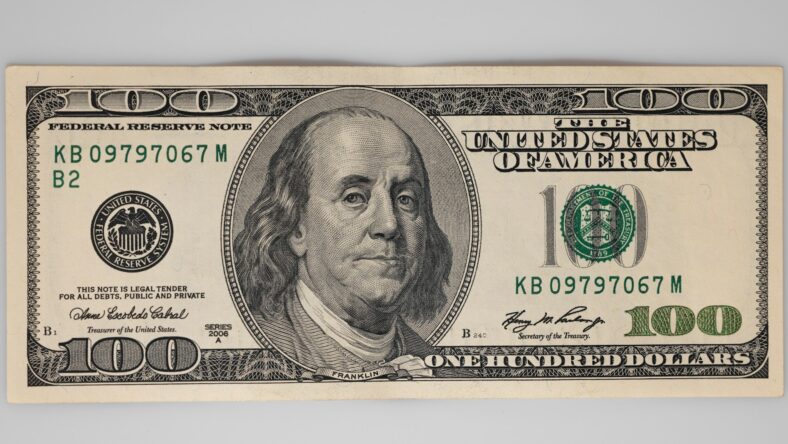
While an extra $100 may not seem like much, when it is used strategically, these small amounts can significantly boost financial health, reduce stress, and provide groundwork to build upon.
There are various ways to use this extra $100, according to experts and personal finance advocates. Check out some of them below and add them to your money management journey.
Related: Easy Hidden Strategies to Stretch Your Budget in Addition to Coupons and Discounts
Paying Down High-Interest Credit Card Debt
One of the most effective ways to use an extra $100 is by putting it towards paying down high-interest credit card debt. Cutting into balances with higher interest rates will reduce compounding charges that increase quickly.
These methods, such as the “debt avalanche” (highest interest first) or “debt snowball” (smallest balances first), can be paired with regular payments to chip away at debts faster.
By combining these strategies with budgeting, automated payments, or lower annual percentage rates, you can make significant gains and save thousands in interest.
Emergency Funds
Similar to debt management, building or replenishing an emergency fund is a great way to use $100. Placing this extra cash in a “rainy day” account, separate from other accounts, will build a financial buffer against surprise expenses like medical bills or car repairs.
The best way to start building up an emergency fund is by setting attainable milestones and then automating transfers to grow the fund steadily. Having extra cash to cover emergencies prevents excessive reliance on credit cards and more debt accumulation.
Check Out: How Small Spending Habits Secretly Erode Your Wealth More Than Big Purchases
Savings Accounts
For those who emphasize saving money, moving the extra $100 into a high-yield savings account or a CD creates compounding interest with minimal risk. These accounts often pay off better than traditional checking accounts and maintain liquidity or planned access over time.
Another way to save is investing in inflation-protected Series I Savings Bonds, which combine fixed rates with inflation adjustments to guard against rising costs.
Investing in Personal Growth
Beyond debt and savings, you can also invest in personal growth. This can be achieved in multiple ways, such as short courses or certifications that can have lasting results. Skills training, safety certifications, or trade skills often cost around $100 and can enhance your employability or side gig opportunities.
Or, you can take the extra cash and consciously treat yourself within a budget, whether it’s a planned fun fund or prepaying bills, and enhance your financial stability and motivation for the future.
Also Read: Smart Mortgage Strategies to Cut Costs and Reach Homeownership
Home and Vehicle Maintenance
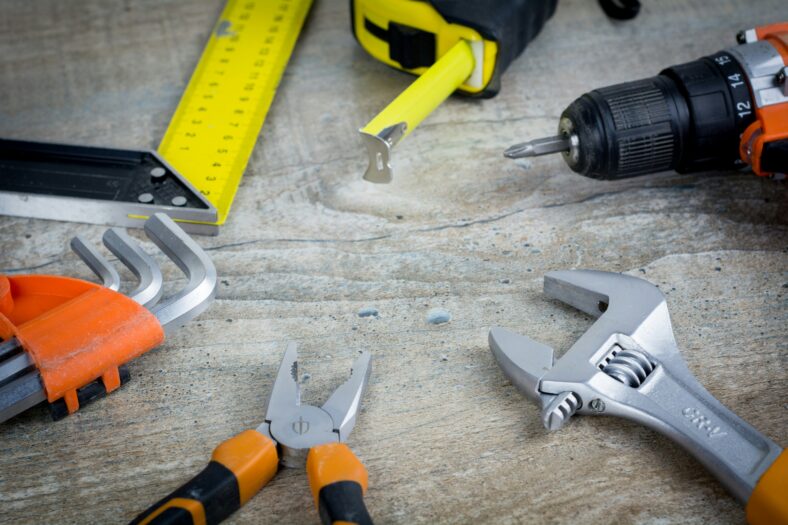
On the upkeep side of things, an extra $100 can be used for home and vehicle maintenance to prevent future costly breakdowns. Whether this means upgrading a thermostat to save on energy, checking car safety recalls online, stocking automotive emergency kits, or replacing batteries in smoke alarms, these minimal improvements can really help prevent something worse from happening.
In a similar vein, managing unwanted subscriptions or recurring payments can ensure your money stays in your pocket.
Small Donations
Financial experts also encourage the psychological benefits of generosity. Providing small local donations where the impact is visible can foster a positive money mindset that supports sustainable financial habits in the future.
It’s a great way to give back to something you feel strongly about or want to give back to your community.
Check Out: Use These Mindful Habits to Boost Savings and Sustainability
Small Moves Make Big Waves
The consensus amongst experts is that small, strategic moves, when repeated regularly, can produce major improvements in financial well-being. For those balancing high-interest debts and aspirations for financial growth, using that extra $100 for something useful can not only accelerate debt payoff but also build a financial foundation.
No matter what you decide to use the extra $100 for, whether it’s savings, credit cards, emergency funds, skills, or safety, the key is treating it as a springboard for future money management. Small decisions like these can go from sporadic moments to lasting progress in no time.