
Important Steps to Escape Paycheck to Paycheck Living and Go on the Offense

Trying to escape the paycheck to paycheck cycle requires more than just a short-term fix.
Instead, those wanting to change their financial outlook need to shift from defensive to offensive living, and set a framework that can generate savings, accelerate debt payoff, and create room for growth.
Using these widely used budgeting methods and tips, you can take a step forward to a more balanced living situation than just paycheck to paycheck. Read more below.
Related: Transform Irregular Pay into a Predictable Paycheck and Savings
Freeze Lifestyle Creep
Lifestyle creep is what happens when you spend more as you earn more. While it seems appropriate, this can quickly erode any progress towards financial security. Investopedia describes this as a gradual rise in living standards that can extinguish the gains of higher earnings.
Instead, fix your spending at your current level, even when the pay raises. By treating your current lifestyle as a baseline, you can set aside the larger gap between expenses and pay towards long-term goals, like retirement.
Budget with Savings Added In
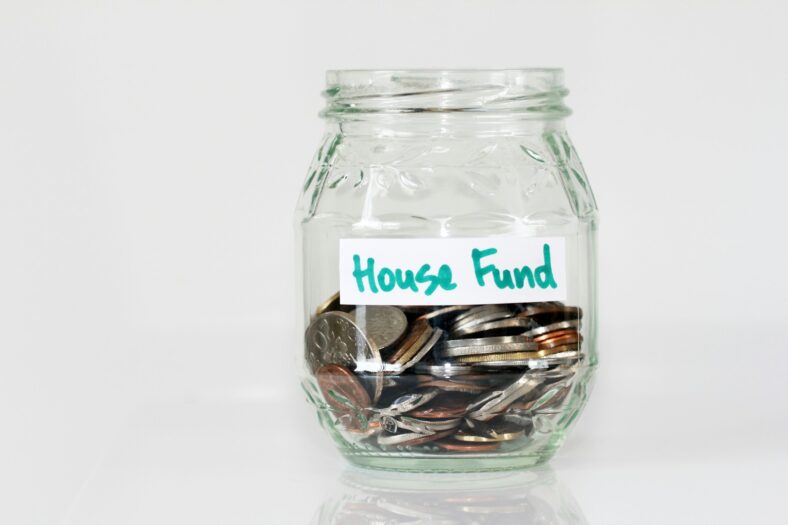
A high-quality budget starts with savings, not leftovers. By setting a target savings rate before tallying your expenses, you can ensure that saving money is a priority while lifestyle costs fit around this commitment. This approach aligns with the broader ideology that consistent, automated savings is the backbone of financial resilience.
You can either purposefully take the money out of each paycheck or have payroll deductions set up. After savings are set aside, you can figure out which categories may not need as much money, so you can meet your goals.
Check Out: Blend Old-Fashioned Habits and Modern Tools to Create Financial Resilience
Ditch Low-Impact Splurges
Low-impact splurges are viewed in two different ways. Some see a morning coffee or weekly takeout as worth the indulgence, or even essential. For others, this constant spending is a needless drain on their savings. The challenge here, then, is to figure out where every dollar goes and how it weighs on your personal “return on happiness.”
The goal of this step is to eliminate or reduce the habits that drain cash, while still keeping one to two indulgences to keep your mood happy.
Cancel Rarely Used Subscriptions
Recurring charges can accumulate quickly, especially for services and subscriptions you barely use. By completing a subscription audit and cancelling those you don’t use weekly or monthly, you can save a good amount of money without a great impact on your daily routine.
Always check individual subscriptions to learn about cancellations, renewals, and more to make sure that when a subscription is no longer used, it is no longer taking your money.
Also Read: Five Times Where a Credit Card is More Useful Than a Debit Card
Boost Your Salary
Raising income is crucial to escape paycheck to paycheck living. Cutting costs helps, but the best way to be sustainable over time is by increasing earnings. Beyond negotiating a raise or pursuing a promotion, other households try to expand skills, seek new opportunities, or shift roles with higher compensation.
Growing your savings can be achieved by spending less or earning more, but the best strategy is combining the two.
Start a Side Gig
Supplement your normal paycheck with a side business or freelance work. It’s a great way to reduce debt and grow your savings. This can look like freelancing, digital products, tutoring, and service-based ventures. The best way to figure out your side gig is by assessing fit with skills, time, and demand.
These gigs can be adjusted over time as life changes, helping cushion against income shocks and provide more for your savings.
Check Out: Current Retirement Myths and How to Stay on Top of the Changing World
Build an Emergency Fund

An emergency fund is a huge part of financial stability in uncertain times, or just to prepare for when big expenses are necessary. Conventional guidance recommends having three to six months of living expenses squared away, but this all depends on income stability, family size, and job security.
However, starting small can help build a cushion quickly and provide you with a buffer if a rainy day comes. Placing these funds in accessible, high-yield accounts or money market balances liquidity with growth, and can establish a routine of setting money aside.
Pay Off Unsecured Debts
Paying off debts can accelerate financial freedom and reduce the drag from high-interest balances. One of the most tried and true methods is the debt-snowball method, which prioritizes paying off the smallest balance first, then rolling payments into the next smallest debt, and so on, creating momentum as each balance is finished.
Tracking your progress can also sustain motivation by seeing how small, consistent payments can turn into debt freedom. For households with multiple debts, combining the snowball effect with disciplined spending can yield tangible progress.
Read More: Debt Relief: How to Avoid Costly Mistakes With These Strategies
Steps to Keep Money in Your Pocket
Follow these reputable steps and adapt them to your household to go from paycheck to paycheck to financial stability:
- Start with a fixed baseline and avoid lifestyle creep
- Build a savings-first budget
- Trim nonessential costs through a disciplined audit
- Increase income strategically with salary growth or new jobs
- Create an emergency fund
- Choose a debt-reduction method that provides practical payoff
Escaping paycheck to paycheck lifestyles is more about small, consistent decisions over time than a quick one-off decision. By focusing on stability, growth, and peace of mind with these tips above, you can find financial security and enjoy your future.